The self-storage sector has undergone a remarkable transformation over the past decade, evolving from a fragmented, operationally unsophisticated market into a mainstream institutional asset class that commands the attention of the world's largest real estate investors. At Interport Capital, we recognized this secular shift early, launching Self-Storage Fund I with a focused strategy: acquire and operate climate-controlled facilities in supply-constrained submarkets where strong demographic tailwinds and limited new construction create a favorable environment for sustained rent growth and high occupancy. The investment thesis is grounded in several structural advantages that differentiate self-storage from other commercial real estate sectors. Operating margins are inherently high, with typical net operating income margins of 60 to 70 percent at stabilization. Capital expenditure requirements are modest compared to hospitality or office assets, reducing ongoing cash-flow volatility. And tenant diversification is extreme. A single facility may serve hundreds of individual customers, effectively eliminating concentration risk.
“Self-storage is the rare asset class where the demand drivers are fundamentally needs-based. Life events like household moves, downsizing, business inventory requirements, and seasonal storage create consistent occupancy regardless of broader economic conditions.”
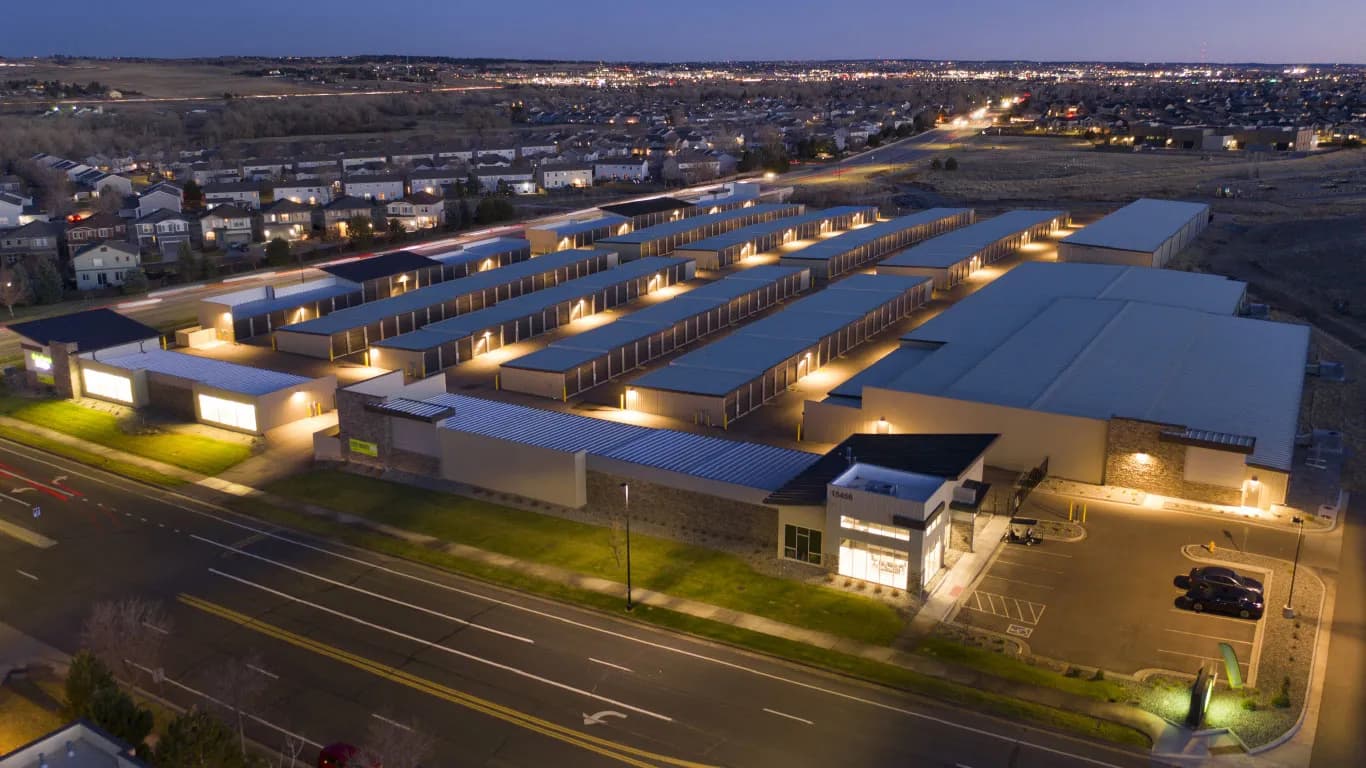
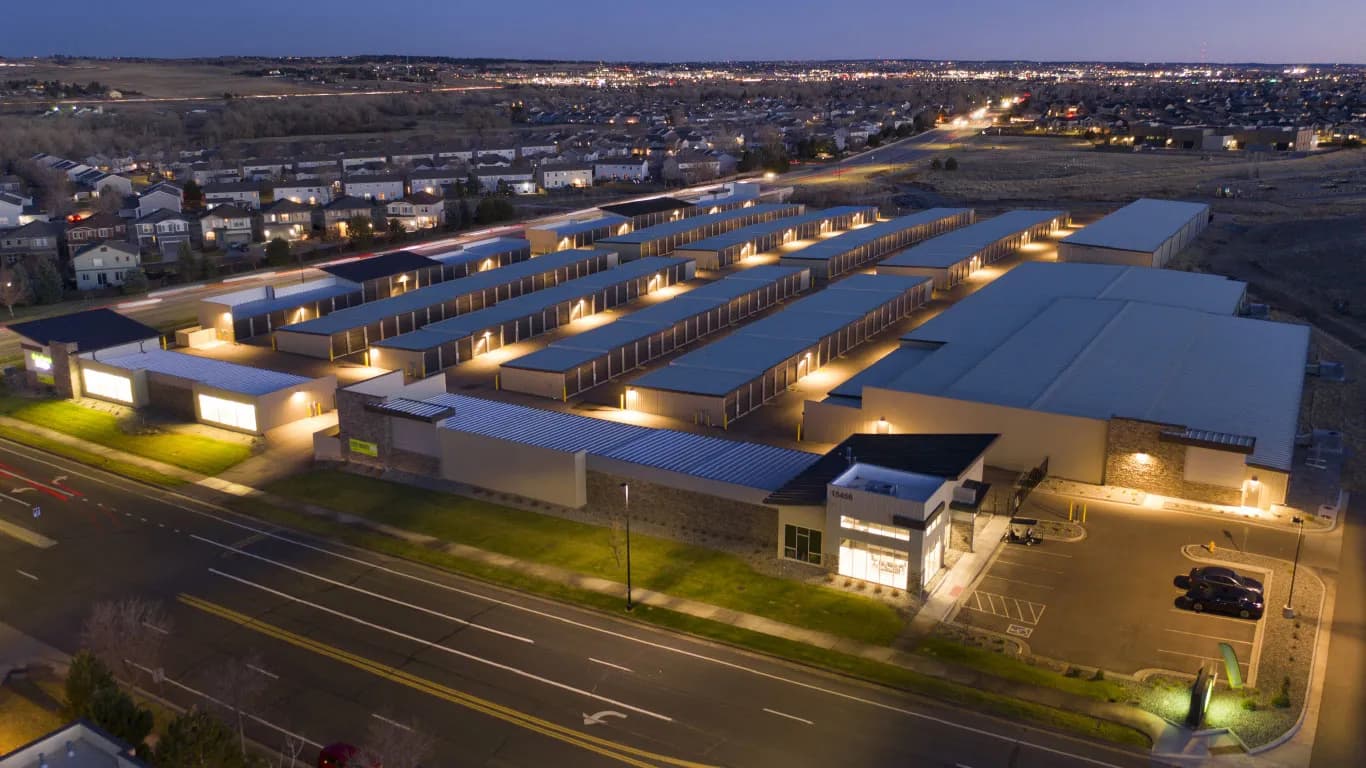
Our portfolio now encompasses properties across strategic markets, including the Mineral Self-Storage development in Arapahoe County, Colorado, and Moove In Self-Storage facilities in Pennsburg and Valley Green, Pennsylvania, as well as Frankfort, New York. Collectively, these assets represent 165,346 net rentable square feet and have achieved portfolio-wide occupancy exceeding 95 percent, surpassing our original stabilization targets six months ahead of schedule. The Pennsburg facility, a 63,525-square-foot property featuring a mix of climate-controlled and drive-up units, has maintained occupancy above 96 percent since acquisition, with street rates increasing an average of 8 percent year-over-year. At the Frankfort facility, our capital improvement program (modernized access controls, enhanced security systems, and improved curb appeal) resulted in measurably higher conversion rates from prospective tenants. These results reflect our data-driven approach to submarket selection and an operational playbook that combines institutional-grade revenue management technology with local market expertise.
Our capital improvement initiatives extend across the portfolio. We are implementing LED lighting, smart climate-control systems, contactless rental technology, and solar panel installations that reduce operating expenses while improving the tenant experience and reducing each property's carbon footprint. On the capital markets front, we closed a $45 million refinancing of Fund I at a fixed rate of 5.85 percent with a seven-year term, reducing our weighted average cost of capital by approximately 40 basis points and extending average debt maturity to 6.3 years. Portfolio-wide loan-to-value averages 58 percent, well within our conservative target range. Looking ahead, we are actively evaluating acquisitions for a follow-on Fund II vehicle, targeting an additional 200,000 to 300,000 net rentable square feet in the Northeast and Mid-Atlantic corridors where supply-demand fundamentals remain compelling and the opportunity to apply our operational playbook at scale is substantial.
For inquiries regarding this publication, please contact info@interportcapital.com.